
Contact us

environmental and social acceptability

Throughout the life cycle of a project, we integrate the environmental and societal issues specific to each of its stages. We develop our projects in a spirit of dialogue and respect with our stakeholders, so as to take account of everyone’s expectations and constraints as early as possible. We carry out full environmental and social impact assessments, right from the development phase, to identify the issues and potential impacts of each project on the environment, and in particular biodiversity, as well as on local communities, and draw up environmental and social management plans to ensure that they are implemented and monitored throughout the life of our projects.
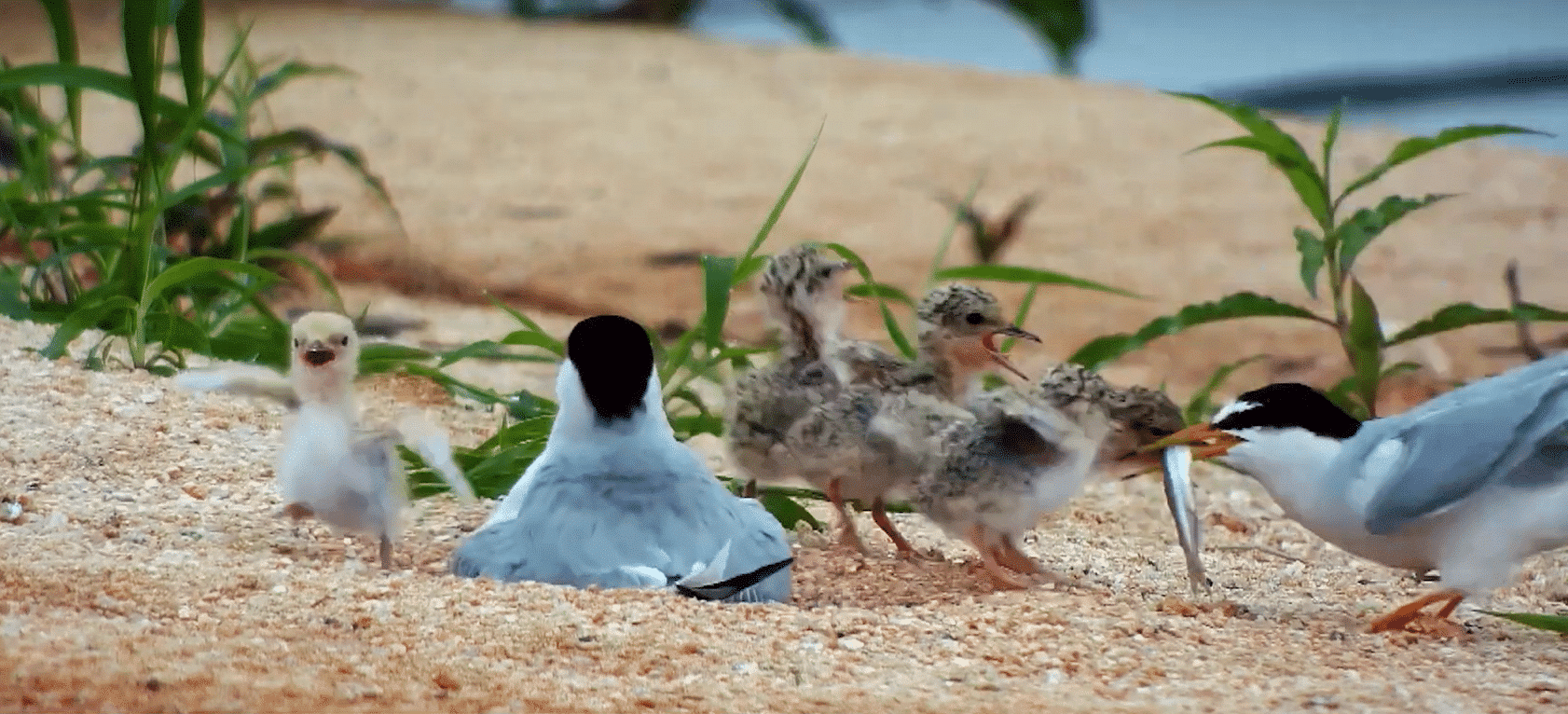
Creation of new nesting sites for laro-limicolae populations in France

Laro-limicolae populations such as pied avocets, terns, seagulls and gulls is declining due to poor breeding success, which no longer ensures population renewal. Suitable nesting sites are rare. These species nest on the ground, on sparsely vegetated islands, sheltered from wind and disturbance. As part of the EolMed project at Port-la-Nouvelle, Qair plans to build four islands (or, exceptionally, rafts) to increase the population by encouraging nesting. A first island has already been built in 2022 in the commune of Le Barcarès (Pyrénées-Orientales) at the tip of La Coudalère. In 2023, the first signs of these birds settling were observed.

Supporting the local economic fabric in Brazil

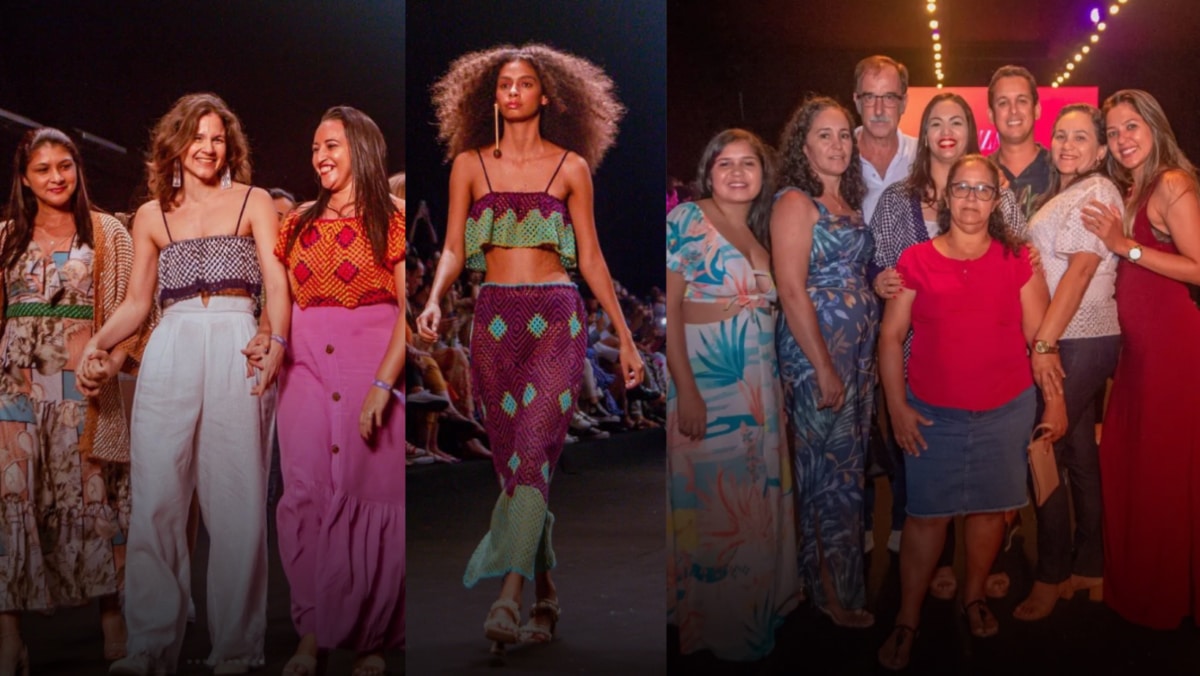
The Olê Rendeiras project was initiated at the end of 2019 with the aim of training members of the communities of Trairi, in the state of Ceará, in the art of bilro. This art consists of interlacing textile threads on a cushion using wooden spools handled by the “bilreiras”. A collection of clothes was created that opened up opportunities in the fashion market, generating income for the communities involved. Since then, the collection has been presented at prestigious fashion shows such as Milan Fashion Week in Italy and a show in Fortaleza, Brazil. The association has also received awards for its achievements in the field of entrepreneurship and human development. This project is helping to preserve this precious art while strengthening the craft culture and improving the quality of life of lacemakers in the Trairi region. It has already benefited 12 communities surrounding the wind farm project, which now include more than 5,000 craftspeople and 240 lacemakers.

Support for women’s Income-Generating Activities (IGAs)

The aim of the program is to train women in economic activities that will enable them to earn a more stable income. Women have been trained in business, sewing, agriculture, etc. Financial support has been provided to enable women to start their own businesses.

QAIR’S COMMITMENTS

ETHICS

Qair has placed ethics at the heart of its strategy and wished to formalise the rules, moral principles and good practices that already govern all of its professional relations through the drafting of its Ethics Charter. The principles set out in this charter apply to all Qair employees and to any person carrying out a professional activity within the Group.

INCLUSION AND DIVERSITY

Qair has adopted an Inclusion and Diversity policy where every employee, partner and customer feels valued, listened to and respected, thereby contributing to collective success and individual well-being.

RESPONSIBLE PURCHASING

Qair has set up a responsible purchasing process in which each supplier is asked to comply with the “Supplier Code of Conduct” drawn up by the Group.

Follow us on Linkedin Follow us on Youtube Get emails alerts